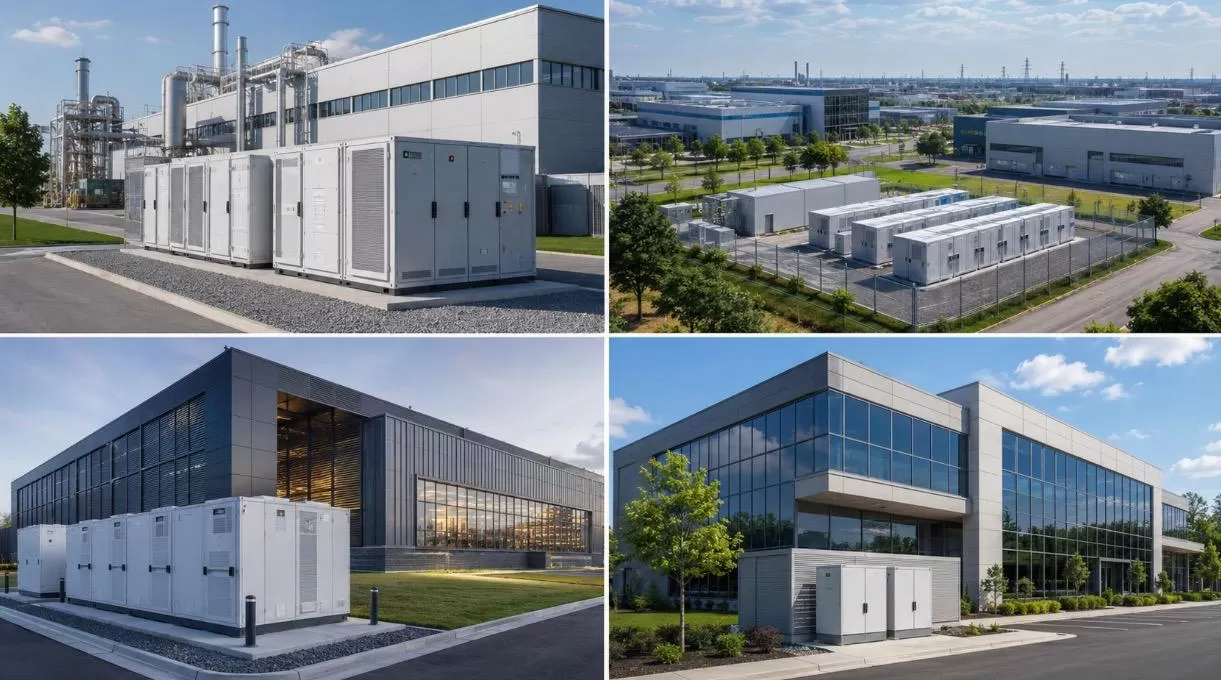
Industrial and commercial facilities do not all face the same energy challenge, so they should not all be selecting the same battery energy storage system by default. A factory, an industrial park, a data center, and a commercial building may all want lower electricity costs and stronger power resilience, but their load profiles, operating priorities, installation constraints, and future expansion plans are often very different. That is why the right starting point is not battery capacity alone, but the actual job the system needs to perform.
For C&I buyers, the decision is usually not about choosing the largest battery. It is about matching system architecture to the site's tariff structure, operating pattern, resilience target, and available footprint. In practice, that means the selection logic for a factory may be very different from that of a business park, a data center, or an office complex.
In factories, the most common reasons for installing energy storage are peak shaving, load shifting, demand charge reduction, and stronger operational resilience during utility disturbances or short outages. Manufacturers usually care less about headline battery size and more about whether the system can respond to repetitive daily peaks, operate reliably under frequent cycling, and work with plant-side energy management.
For this type of facility, the key question is simple: will the BESS help stabilize energy costs without adding unnecessary operational complexity? A good solution should support dispatch discipline, safe operation, and long-term maintainability rather than simply offering more kWh on paper.
Industrial parks usually require a more scalable storage architecture than a single factory. Multiple tenants, different load curves, phased expansion, and centralized power coordination can all affect system design. In these projects, buyers should pay close attention to whether the chosen architecture can scale in stages, support multi-unit coordination, and fit into a broader site-level energy strategy.
A storage solution for an industrial park should not be designed only for today's demand. It should also allow room for future capacity additions, PV integration, and changes in how electricity is purchased, distributed, and optimized across the site.
For data centers, battery storage should usually be evaluated as part of a broader resilience and energy management strategy, not as a simple standalone replacement for the site's existing critical backup architecture. Buyers in this segment tend to focus more heavily on safety design, monitoring visibility, emergency control logic, communication integration, and the system's ability to support uptime-focused operations under demanding site conditions.
In other words, the conversation is usually less about aggressive arbitrage and more about controlled performance, operational transparency, and compatibility with the broader facility infrastructure.
For commercial buildings, practical deployment constraints are often as important as pure system performance. Buyers usually care about footprint, access, installation flexibility, digital manageability, and whether the system can be deployed within realistic site, noise, and maintenance constraints.
A suitable system for a commercial building is often one that is compact, easy to install, and straightforward to manage over time. In many cases, simplicity and site compatibility have a direct effect on project feasibility.
Before comparing cooling methods, equipment formats, or suppliers, buyers should first define what the system is expected to do.
If the main objective is peak shaving and load shifting, the system should be evaluated around power rating, dispatch logic, daily cycling pattern, and tariff alignment. If the priority is resilience, then safety architecture, emergency controls, and continuity support become more important. If the project is tied to renewable integration or future expansion, modularity and scalability move much higher on the list.
This sounds basic, but it is where many projects go off track. A system that is ideal for short-duration demand management may not be the best choice for a site prioritizing controlled backup support or future multi-stage expansion.
Many buyers still start with total kWh, but the more useful question is how much power the system needs to deliver, and for how long. A short-duration peak-shaving project may need a higher power response. A site looking for longer-duration support or renewable balancing may need more energy capacity. The right ratio depends on the duty profile, not on a generic benchmark.
Cooling is not just a thermal detail. It affects system consistency, operating stability, footprint, and maintenance logic. Air-cooled all-in-one systems are often attractive when deployment simplicity and standard C&I use cases are the priority. Liquid-cooled systems may be better suited to projects requiring tighter thermal control, more demanding duty cycles, or stronger environmental adaptability.
Safety should be assessed as a full architecture rather than a single feature. Buyers should review battery chemistry, protection logic, BMS and PCS monitoring, fire suppression, emergency stop, remote shutdown, and enclosure-level protective design. A serious industrial project should treat safety as a system-level engineering topic, not a checkbox.
Industrial and commercial storage projects are not always installed in ideal indoor environments. Operating temperature range, humidity tolerance, ingress protection, corrosion resistance, and altitude capability can all affect long-term reliability. This is especially important for outdoor deployments, industrial zones, and sites with limited environmental control.
A technically capable system that does not fit the site layout is not the right system. Buyers should confirm whether the design supports compact placement, side-by-side or back-to-back installation, and phased deployment where required. Site fit is a commercial issue as much as a technical one.
A BESS should not operate like an isolated box on site. For serious C&I users, communication interfaces, EMS integration, remote access, and long-term data visibility are part of the buying decision. The more critical the facility, the more valuable transparent monitoring and controllability become.
Some sites need a fixed system size today. Others need a platform that can grow as tariffs change, PV is added, or loads expand. That is why buyers should evaluate not only the product itself, but also whether the supplier can support design, commissioning, future expansion, and long-term service.
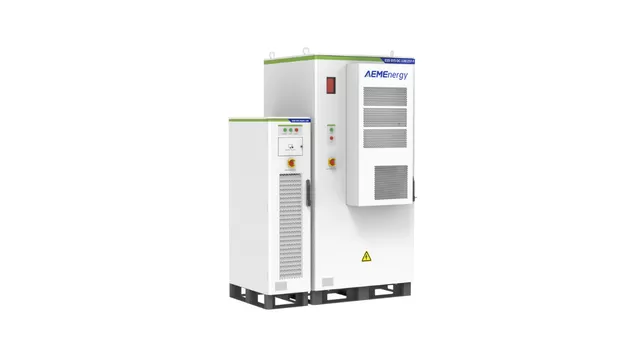
For many commercial buildings and lighter-duty industrial sites, an all-in-one C&I BESS can be a practical option because it combines battery, PCS, and controls in a more compact and easier-to-deploy format. This type of architecture is often attractive when footprint, project speed, and simplified site integration matter.
For facilities with more demanding operating conditions or tighter thermal control requirements, a liquid-cooled all-in-one system may provide a stronger fit. This is often relevant where system consistency, thermal performance, and environmental adaptability need to be managed more carefully.
For industrial parks or projects expecting phased growth, a battery cabinet plus PCS approach can offer more flexibility. It is often easier to scale, easier to configure in stages, and better suited to projects that do not want to lock into a single fixed capacity on day one.
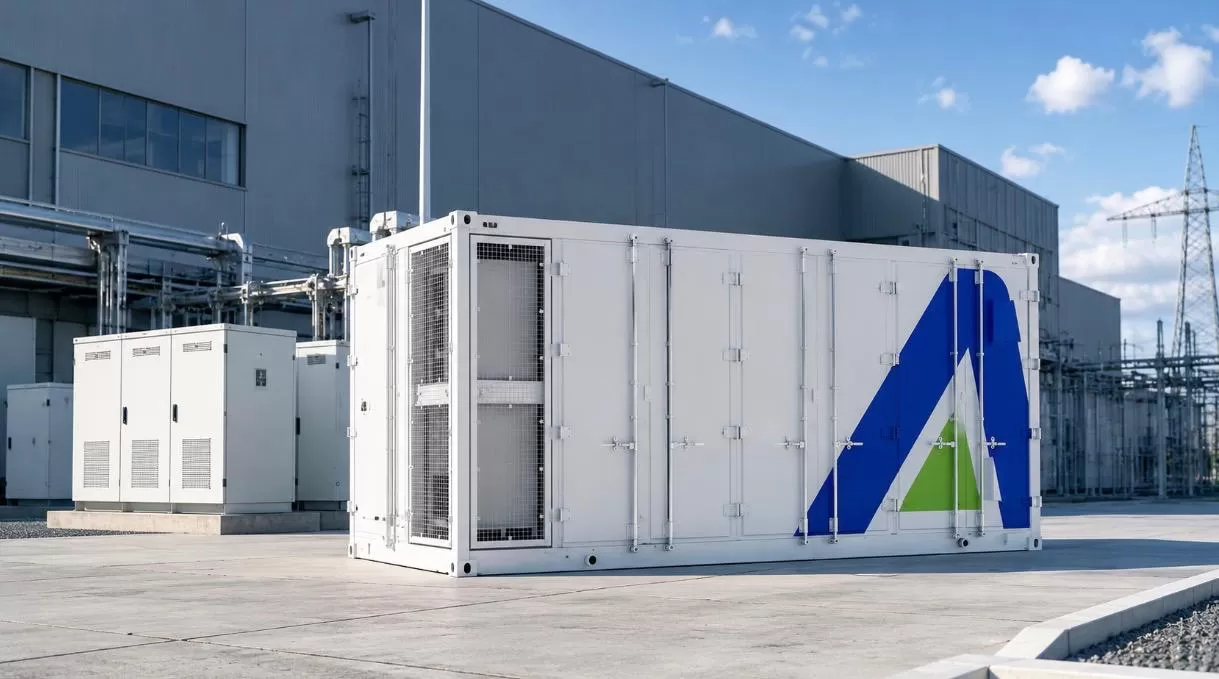
For larger factories, campus-style sites, or projects moving toward centralized MW/MWh deployment, containerized BESS solutions can become more relevant. They are often preferred where modularity, transportability, faster on-site deployment, and larger-scale power coordination are part of the project requirement.
Before sending an RFQ, buyers should be clear on a few basic points: the site's real load profile, the primary job of the system, expected cycling frequency, required support duration, available installation space, communication needs, and expansion plans over the next several years. These inputs shape system size, architecture, and control strategy far more effectively than starting with a generic product preference.
In many projects, the best result comes from matching the application to the right architecture rather than trying to force every scenario into the same equipment format. That is particularly true when the project involves future expansion, multiple use cases, or stricter operational requirements.
For buyers evaluating suppliers in this segment, product flexibility matters. AEME's public product lineup covers all-in-one C&I BESS platforms, air-cooled and liquid-cooled configurations, battery cabinet plus PCS solutions, and containerized BESS systems. On its website, AEME positions its C&I solutions around industrial parks and commercial districts, with use cases such as peak shaving, load shifting, backup power, demand charge reduction, and grid support, while its containerized solutions emphasize modularity, pre-assembled deployment, renewable integration, and industrial park applications.
The real value of that type of product matrix is not simply variety. It is the ability to align system form factor with actual application needs, whether the site is a factory, an industrial park, a data center, or a commercial building with tighter space and integration constraints.
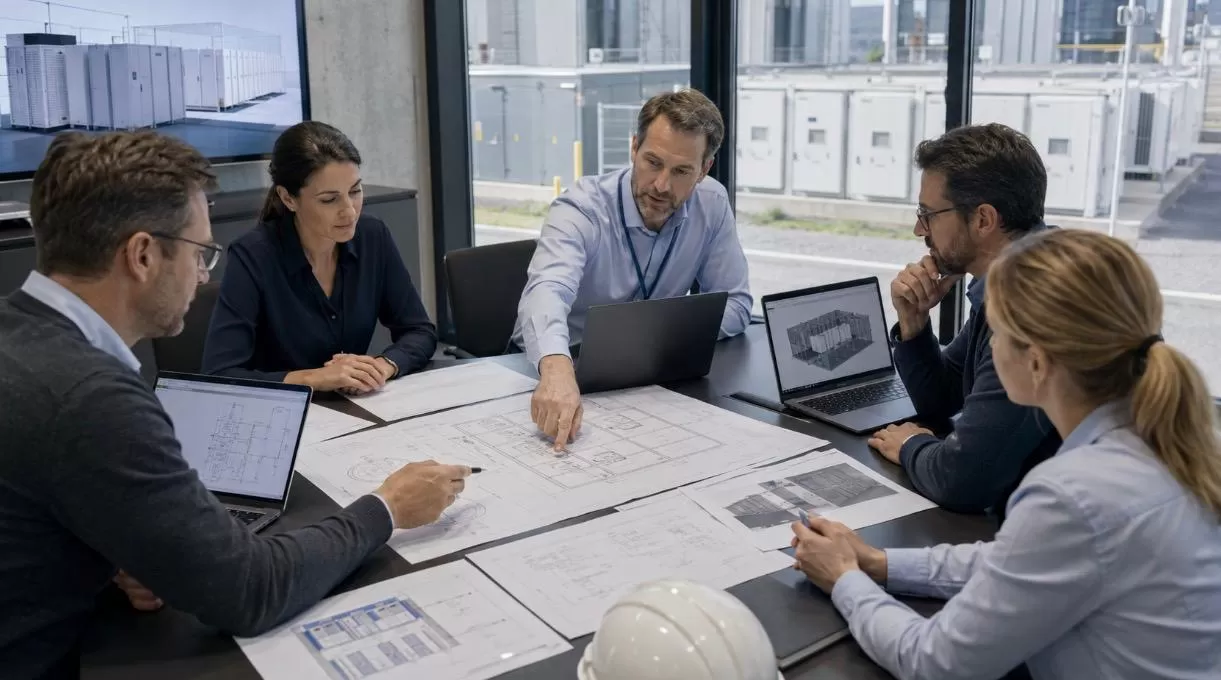
Choosing a C&I battery energy storage system is not simply about selecting a larger battery. The better approach is to match the system architecture to the site's load profile, operating priorities, resilience goals, installation conditions, and future expansion path. Once those fundamentals are clear, buyers can evaluate whether an all-in-one system, a modular cabinet plus PCS setup, or a containerized solution is the most appropriate fit.
For factories, industrial parks, data centers, and commercial buildings, the right answer may look different in each case. That is exactly why a disciplined selection process matters.

 +86-28-65790186
  info@aeme.global
 English