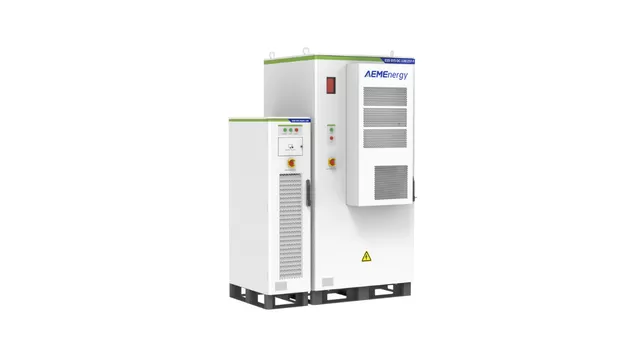
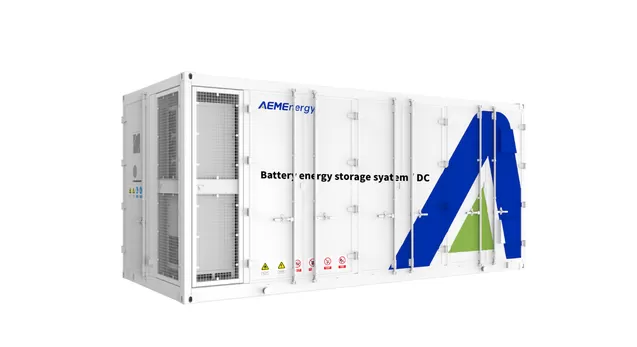
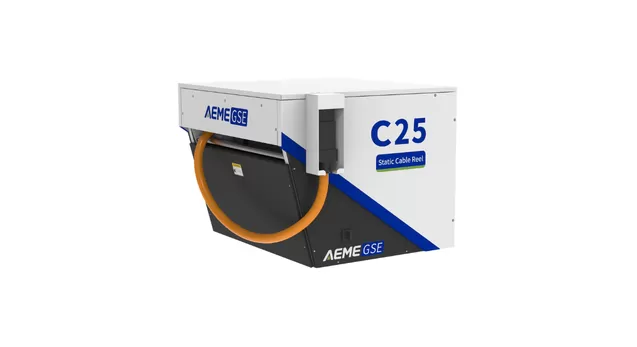
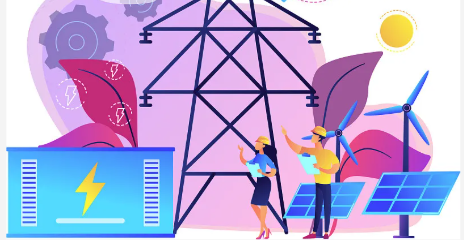
The transition to renewable energy presents a critical challenge: how to integrate intermittent solar and wind power into reliable electricity grids? What's the solution for commercial and industrial energy storage, where a balance between ROI and green transition should be prudently struck? In response to these challenges, Battery Energy Storage Systems (BESS) have emerged as the cornerstone technology. A BESS is a system that stores electrical energy in rechargeable batteries for later use. It is used in grid applications, renewable energy integration, and industrial settings to stabilize power supply, manage peak demand, or provide backup power. These systems provide at least three indispensable capabilities for renewable energy integration—they ensure smooth power delivery with ramp rate control, shift energy to peak times, and allow customizable schedules for efficiency.
Beyond these fundamentals, BESS delivers grid voltage control, peak load shaving, and frequency response – making renewables as dependable as conventional power while accelerating decarbonization.
Commercial and industrial (C&I) facilities worldwide face rising energy costs, unreliable grids, and pressure to reduce emissions. AEMEnergy's Container Battery Energy Storage System specifically addresses C&I needs.
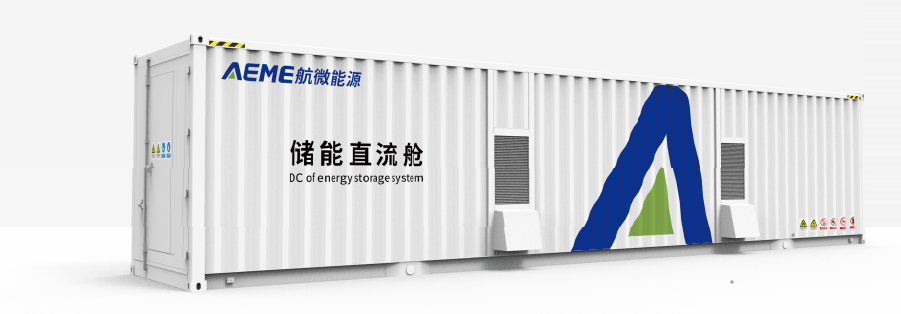
The project is located in Jiangsu Province. With a large number of production equipment, the factory experiences high power consumption, long periods of heavy load operation, and significant energy use. The client often faces challenges such as high grid pressure and elevated electricity prices during peak hours, as well as underutilization of electricity during off-peak periods. To address these issues, the project utilizes 32 units of AEMEnergy 100kW/215kWh silent battery energy storage systems (liquid-cooled), leveraging a smart energy storage system to overcome these challenges.
The AEMEnergy 100kW/215kWh silent energy storage system (liquid-cooled) features industry-first high-efficiency resonant soft-switching technology, cutting switching losses with zero-current turn-on and zero-voltage turn-off. SiC components boost switching frequency, improving power density and system efficiency. An integrated FPGA + ARM control platform combines PCS, BMS, and EMS functions for smarter, more reliable performance.
A microgrid is a compact power system composed of energy sources such as solar and wind, energy storage systems, power conversion equipment. It features two core capabilities: grid-connected/off-grid dual-mode operation and autonomous control. The microgrid control system can operate stably when connected to the main grid or independently in island mode, ensuring stable power quality with reliable voltage and frequency control. This solution effectively addresses the challenges of weak grids and lack of access to electricity, making it ideal for applications in islands, mountainous areas, and aging urban districts.
The system integrates AEMEnergy’s PV-wind-diesel-storage converters, microgrid controllers, and grid/off-grid switching devices. With advanced grid-forming PCS control, it enables smooth hybrid off-grid operation and seamless transitions, achieving 99.99% power reliability. Frequency and voltage regulation technology enhances power quality by 20%, while multi-source coordination prioritizes green energy, uses diesel as backup, reduces costs, and supports intelligent, low-carbon energy consumption.
About the Author
Dr. Marcus Tan is a Singapore-based energy storage systems specialist with 12 years of field experience across Southeast Asia. He holds a PhD in Electrical Engineering from Nanyang Technological University. Since joining AEMEnergy as Solutions Architect in 2022, he has led 23 commercial/industrial BESS deployments.
Reference
Vietnam Electricity Regulatory Authority. (2023). Time-of-Use Tariff Schedule for Industrial Consumers. Hanoi: VERA Press.
Chen, L. et al. (2022). BESS Response Time Requirements for Textile Manufacturing. IEEE Transactions on Industry Applications, 58(3), 2104-2111.
Indonesian Ministry of Energy. (2023). Diesel Cost Analysis for Remote Resorts. Jakarta: MEMR Publications.
World Bank Group. (2021). Typhoon Resilience Standards for Island Power Systems. Washington DC: WBG Technical Report #1173.
https://en.wikipedia.org/wiki/Battery_energy_storage_system
 +86-28-65790186
  info@aeme.global
 English