In an era where global industries are shifting toward low-carbon and intelligent solutions, battery energy storage systems (battery BESS) have emerged as essential technology. These systems not only store renewable energy efficiently but also support energy grid stability, industrial power backup, and smarter energy transitions across diverse sectors. Companies like AEMEnergy, with over two decades of power electronics experience, are pioneering advancements in battery BESS that enable sustainable energy infrastructures worldwide.
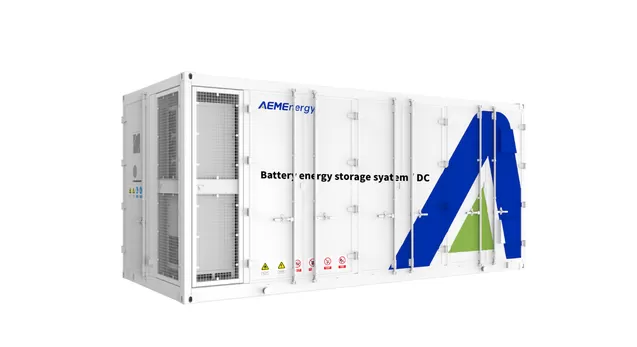
One of the most impactful applications of battery BESS lies in utility-scale power grids. As the demand for renewable energy surges, grid operators face growing challenges balancing intermittent supply from solar and wind sources. Battery BESS offers a reliable solution by absorbing excess electricity during peak production hours and dispatching it when generation drops. These systems help reduce grid volatility, prevent blackouts, and eliminate dependence on costly peaker plants. In regions with aging energy infrastructure or growing urban populations, grid-connected battery BESS systems serve as vital tools to ensure uninterrupted power delivery and optimized grid performance.

For industrial and commercial operations, energy efficiency is key to cost control and sustainability. Battery BESS allows large-scale manufacturers, data centers, logistics hubs, and retail chains to manage peak demand more intelligently. By storing energy during off-peak periods and discharging it during high-tariff hours, businesses can achieve significant cost savings. Moreover, commercial and industrial energy storage systems act as a critical backup system in case of outages, ensuring business continuity for high-stakes operations. The flexibility of these systems supports load balancing, demand response programs, and smooth integration with on-site renewable generation such as solar panels.

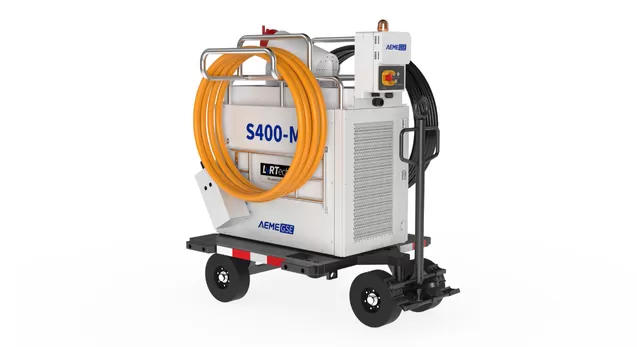
As the transportation sector undergoes electrification, battery BESS is becoming indispensable in supporting charging infrastructure. Urban transit systems increasingly depend on these storage solutions to power electric vehicles, buses, and even ground support equipment. For instance, at public districts, battery BESS units can mitigate the load on local grids by storing and redistributing energy based on usage patterns. This not only reduces operational costs but also enhances energy reliability in critical transit hubs, further promoting clean transportation solutions globally.

To understand the versatility of battery BESS across industries, a comparison of common application scenarios can be useful:
Application Area | Role of Battery BESS | Key Benefits |
Utility/Grid | Peak shaving, frequency regulation | Grid stability, renewable integration |
Industrial/Commercial | Load management, backup power | Reduced energy bills, business continuity |
Transportation | Charging station support, ground equipment power | Infrastructure resilience, lower carbon output |
| Data Centers | UPS systems, peak demand reduction | Reliability, uptime assurance |
This comparison illustrates the multifaceted value that battery BESS delivers, from large-scale utility support to microgrid-level empowerment.

As nations accelerate their commitment to carbon neutrality, battery BESS is positioned at the heart of the energy transition. Its ability to store green energy efficiently enables deeper renewable penetration, decarbonization of industry, and smarter power use in both developed and emerging markets. Energy storage system companies like AEMEnergy are leading this evolution by offering high-quality, integrated storage solutions that cater to the unique demands of different sectors. By delivering intelligent energy management tools, they are helping reshape the way we produce, store, and use power.
The application of battery BESS is no longer limited to grid stabilization. From smart factories to transportation infrastructure, and from commercial hubs to household energy systems, battery BESS is becoming a core component of the world’s sustainable energy framework. As technology continues to advance and environmental pressures intensify, the adoption of battery BESS across sectors will accelerate, paving the way for a more resilient, low-carbon global economy.

 +86-28-65790186
  info@aeme.global
 English